The Best Tile for Shower Walls & Floors
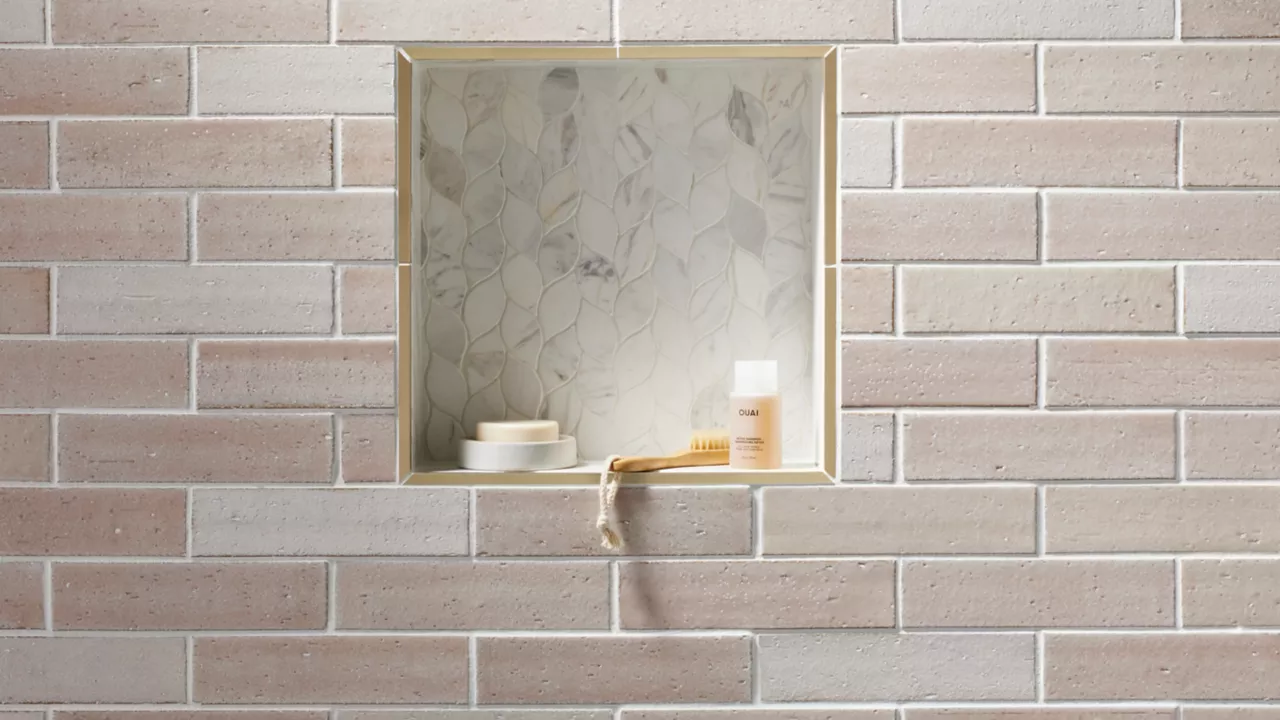
Remodeling your bathroom is a major project, and choosing the right shower tile is one of the most important decisions you’ll make. The shower area is exposed to frequent, direct moisture and fluctuating temperatures, so not every tile is up to the task. Selecting the wrong material can lead to costly damage—not only to the tile itself, but also to the surfaces beneath it.
In this guide, we’ll several options for the best tile for shower walls and floors, helping you avoid common mistakes, choose confidently, and create a space you’ll love.
Key Factors in Choosing Shower Tile
No single feature makes a tile the best option for your shower. Instead, you’ll need to weigh several important considerations, including:
Water Resistance
Your shower is the wettest part of your home, so water resistance is essential. Shower walls and floors need a tile that can handle constant exposure to water and tolerate rapid shifts in temperature and humidity.
Materials like luxury vinyl may be water-resistant overall, but they aren’t suitable for showers due to their sensitivity to heat and moisture changes. Instead, look for tile materials that are nonporous and won’t absorb water, such as glass, porcelain, glazed ceramic, or sealed natural stone.
Slip Resistance
As much as water resistance, appropriate slip resistance will determine the best tile for a shower floor. While texture plays a role, slip resistance in a shower floor has more to do with tile size and the amount of grout between tiles. Smaller tiles—like mosaics—are ideal for shower floors because they have more grout lines, which provide added traction. Even smooth materials like porcelain can be slip-resistant when installed in a small format with ample grout.
Maintenance
Some shower tiles, such as porcelain, are virtually maintenance-free. Others, like natural stone, need regular sealing to maintain their water resistance. Your choice depends on your preferences and how much upkeep you're willing to do. This also includes cleaning; some homeowners prefer darker tiles and grout colors for shower floors so that any discoloration that might occur over time will be less visible.
Choosing a higher-maintenance tile isn’t necessarily a drawback—as long as you’re committed to proper care. But skipping maintenance on porous tiles can lead to mold, mildew, or damage beneath the surface.
Aesthetics
When you are installing new tile in your shower, you want it to be more than functional. You want it to reflect your personal style.
Picking the right look for your shower tile is a delicate balance between the size of the shower itself, the fixtures in the shower and the overall look of your bathroom. The same design principles that apply throughout your home also apply here.
- Larger, lighter-colored wall tiles or reflective glass tiles can make the space feel bigger by creating the illusion of a larger space.
- Darker hues add warmth and depth that can make large showers feel cozier.
- Shower floors should always stick to smaller formats for safety.
You will also want to harmonize the color palette of the fixtures and the rest of the bathroom—but how you create this harmony is entirely up to you. Coordinate your tile choices with your bathroom fixtures and finishes for a seamless look, or go bold with contrast to make the shower a design feature of its own.
Best Shower Tile Materials
The best tile for your shower is one that checks all the boxes for performance, safety, and design. These tile types are our top picks:
Ceramic & Porcelain Tile

Why we recommend it: Ceramic and porcelain are timeless choices for both shower walls and floors. Available in a wide range of styles, sizes, and finishes, they suit nearly any bathroom aesthetic.
Pros: Durable, water-resistant, and easy to clean. Porcelain is denser and less porous than ceramic, while ceramic is often easier to cut—making it a popular choice for someone who wants to tile their own shower.
Cons: Some ceramic tiles must be sealed to ensure water resistance. Porcelain, while lower maintenance, can be harder to cut and install, and may require a stronger adhesive.
Glass Tile
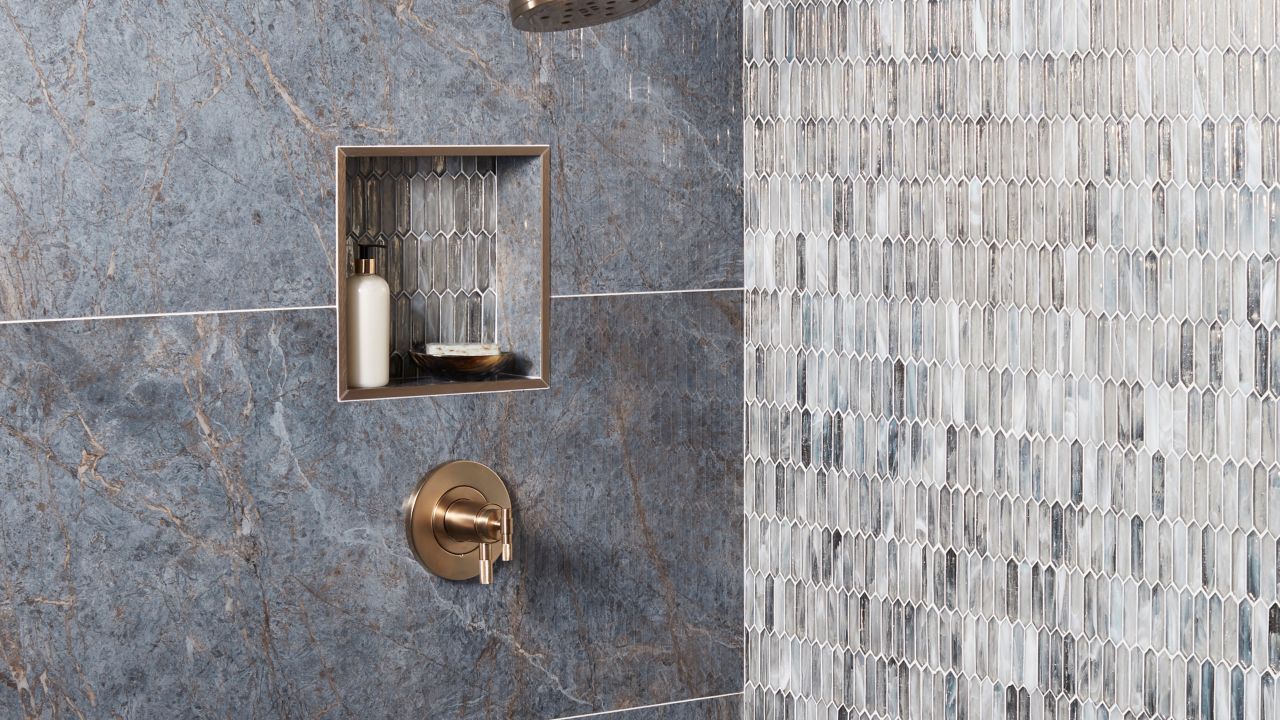
Why we recommend it: Glass tile is perfect for creating sleek, modern showers with a sense of space and light. Its reflective qualities can make small showers feel more open.
Pros: Low maintenance and highly versatile, with a wide range of colors and styles. Smaller glass tiles with ample grout lines can be appropriate for shower floors if tiles are rated for floor use per the manufacturer’s recommendations.
Cons: Cutting glass requires specialty tools and precision. Professional installation is typically recommended, which should be factored into your project's cost.
Natural Stone Tile
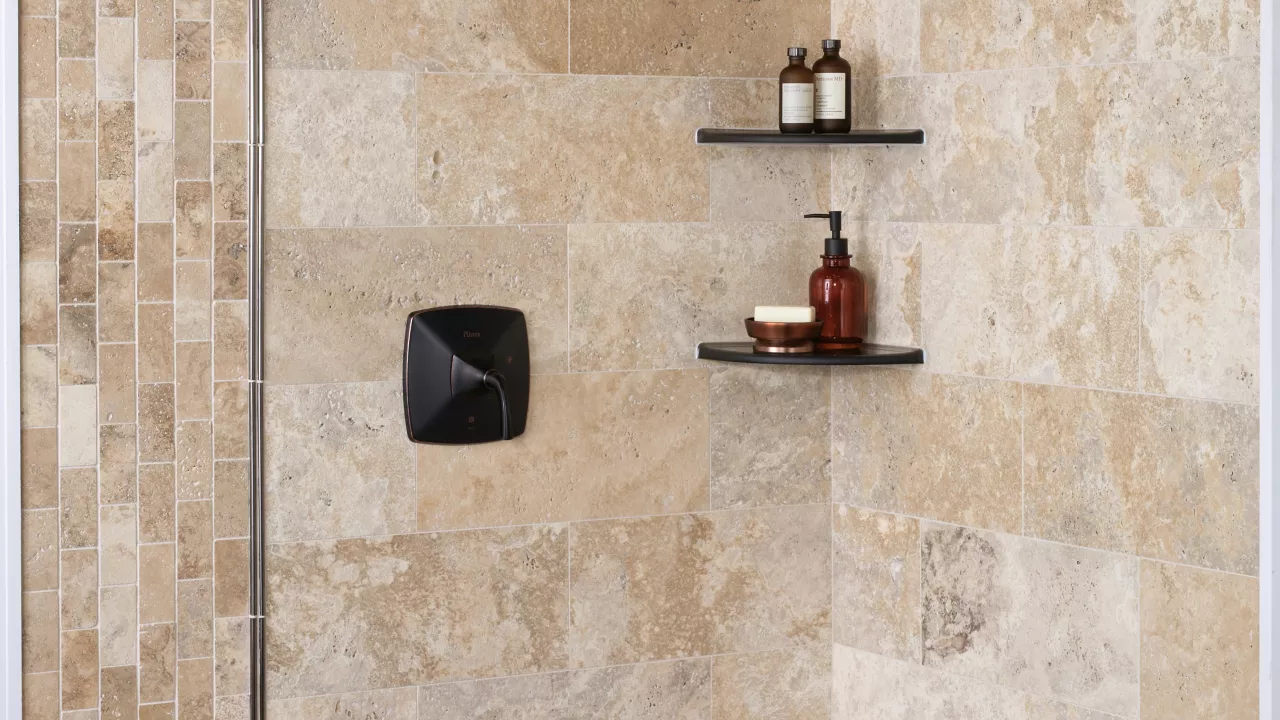
Why we recommend it: If you want a truly unique and luxurious shower, natural stone is unmatched in character. Tiles are cut from slabs quarried from the earth; whether you're drawn to elegant marble, classic travertine, or the rustic texture of slate, no two pieces are the same. And if the future resale value of your home is top of mind, natural stone tiles can be an excellent investment.
Pros: Durable, visually rich, and eco-friendly—natural stone requires minimal processing and lasts for years with proper care. The inherent variation in these natural materials guarantees your space will be one of a kind.
Cons: Needs regular sealing to protect against water. Stone tiles are often pricier and may require more ongoing maintenance than other materials.
Materials to Avoid in a Shower
Avoid any tile or surface that is highly porous or sensitive to moisture and temperature changes. These include:
- Cement Tiles (unless properly sealed)
- Unglazed ceramic
- Unsealed natural stone
- Laminate, engineered hardwood, or luxury vinyl flooring
While some of these materials may be water-resistant in general, they aren’t designed to handle the unique conditions of a shower environment.
Best Shower Tile: Frequently Asked Questions
Is ceramic or porcelain better for shower walls?
“Porcelain or ceramic?” might be the most common question we get asked about shower walls. Both materials are well suited for use on shower walls, although porcelain offers greater water resistance and durability. Its low porosity makes it more water-resistant and less prone to staining—ideal for a space with frequent moisture exposure. But if there is a ceramic tile you love, it can still be an excellent choice for your shower.
What is the easiest tile to maintain in a shower?
Porcelain is the lowest-maintenance option. Its dense, nonporous surface is easy to clean, and it doesn’t require sealing. Large format porcelain tiles can easily cover 4, 8 and even 16 square feet each with no interior grout lines, which greatly reduces the amount of time you’ll need to spend on grout maintenance over the life of your shower.
What tile is best for a walk-in shower?
The best tile is the one that most closely matches your aesthetic vision—just be sure it’s suitable for wet environments. Reminder: For shower floors, always check the manufacturer’s recommendations to confirm that the tile you’re considering is rated for floor use.